




Incl. 19% VAT Plus shipping costs
Generation Fear – Jonathan Haidt
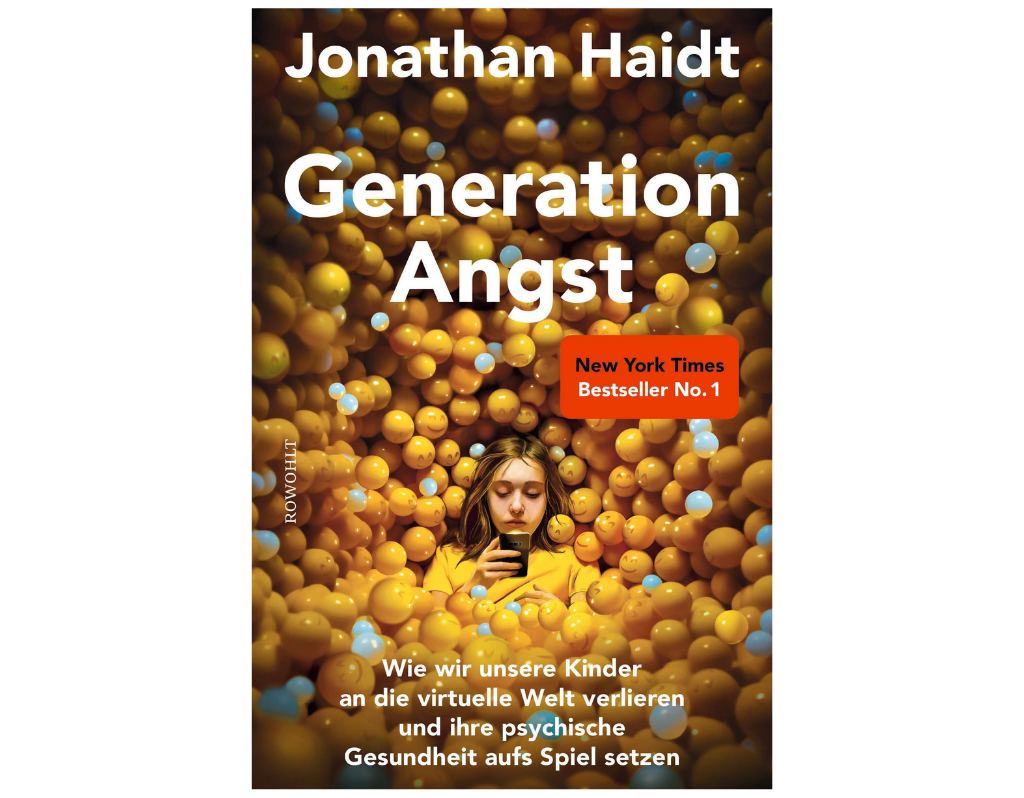
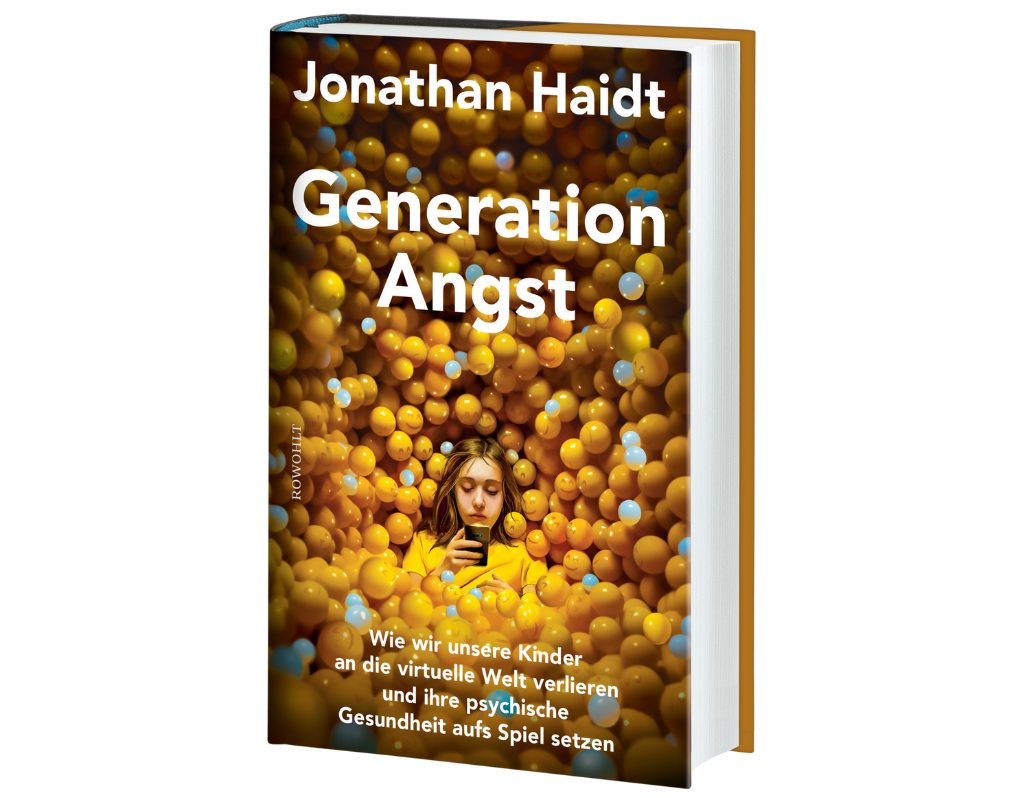
Generation Fear
How we are losing our children to the virtual world and jeopardizing their mental health. The "Spiegel" bestseller
Description
Translation by: Monika Niehaus-Osterloh
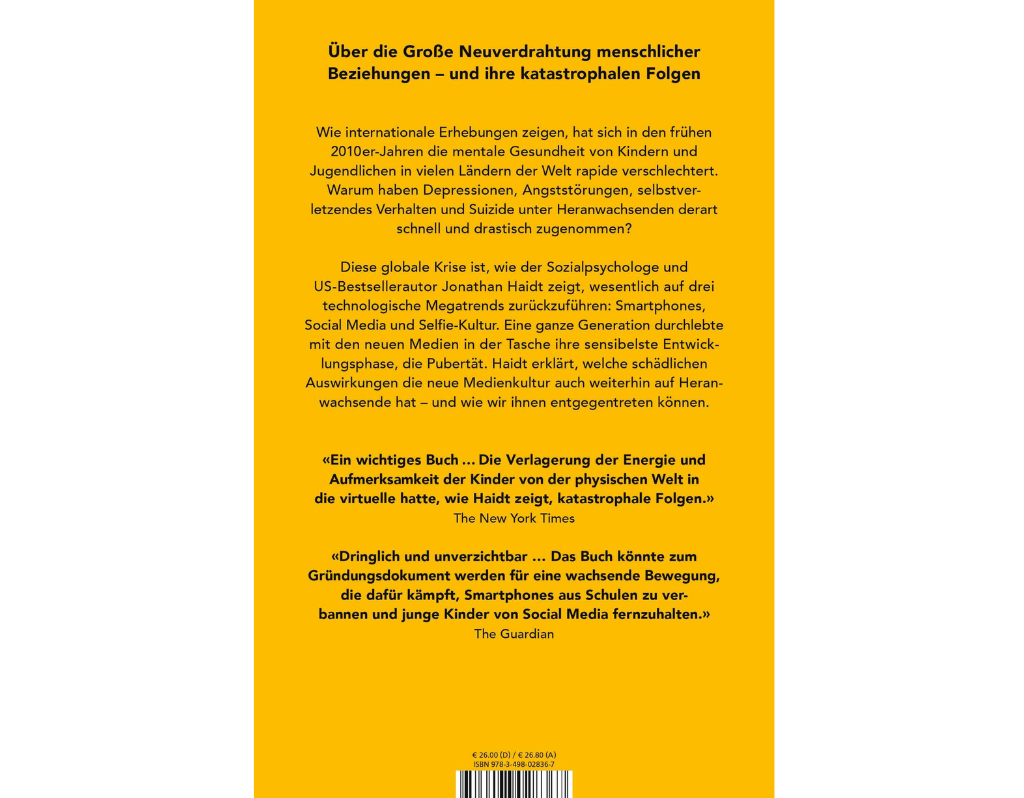
Haidt shows how smartphones, along with social networks and selfie culture, have deformed the psyche of Generation Z – and that it is vital not to lose touch with the real world. | Haidt has written an important book for a long-overdue debate. | A fundamental book… Anyone who thinks the “rewiring” Haidt’s book is about is just a problem for young people has missed the point. | An important book… The shift of children’s energy and attention from the physical world to the virtual one has had catastrophic consequences, as Haidt shows. | Urgent and indispensable… The book could become the founding document for a growing movement fighting to ban smartphones from schools and keep young children away from social media. | Haidt’s recommendations, which are entirely in line with common sense, are excellent. | Compelling, relatable – and very frightening… completely convincing. | A reckoning with our smartphone-based modern lifestyle. Haidt explains in detail how the health crisis affecting our children and young people came about – and why it continues to worsen.
The German edition of the New York Times No. 1 bestseller "The Anxious Generation"
Three technological and media megatrends defined the early 2010s: smartphones, social media platforms, and selfie culture. The result: an entire generation of children and teenagers spent several hours a day scrolling through posts from influencers and more or less complete strangers, instead of interacting with people in their immediate surroundings, playing with them, talking to them, or even just making eye contact. The members of Generation Z, the first to experience puberty with new media in their pockets, thus became test subjects for growing up in a radically transformed, increasingly digital environment.
The consequences of this experiment, as Jonathan Haidt demonstrates based on extensive data, were catastrophic – and they still affect today's adolescents. The fastest and most comprehensive rewiring of human relationships has led to a rapid and lasting deterioration in the mental health of children and young people. We must counteract this trend now: Haidt explains what governments, schools, and parents can do to enable children to grow up healthy.
A fundamental book… Anyone who thinks the “rewiring” Haidt’s book is about is only a problem for young people has missed the point entirely. Hannah Lühmann, Welt am Sonntag, June 16, 2024
Jonathan Haidt is a professor of social psychology at New York University. His research focuses on the psychological foundations of morality, moral emotions, and moral concepts in different cultures. He is an outstanding communicator of scientific findings and an important voice in social debates in the US and beyond. "Generation Angst" (Generation Anxiety) reached number one on the New York Times bestseller list immediately upon publication, and the press response was enormous. Monika Niehaus-Osterloh, who holds a degree in biology and a doctorate in neuro- and sensory physiology, works freelance as an author, journalist, and scientific translator (English/French). In 2021, she was awarded the Martin Wieland Translation Prize. Jorunn Wissmann, born in 1969, initially studied veterinary medicine in Hanover before finding her way to translation via a circuitous route. Since 1996, she has translated scientific nonfiction as well as children's and young adult nonfiction from English; she also works as an editor and author. She lives with her family in the countryside in Lower Saxony.
About the author
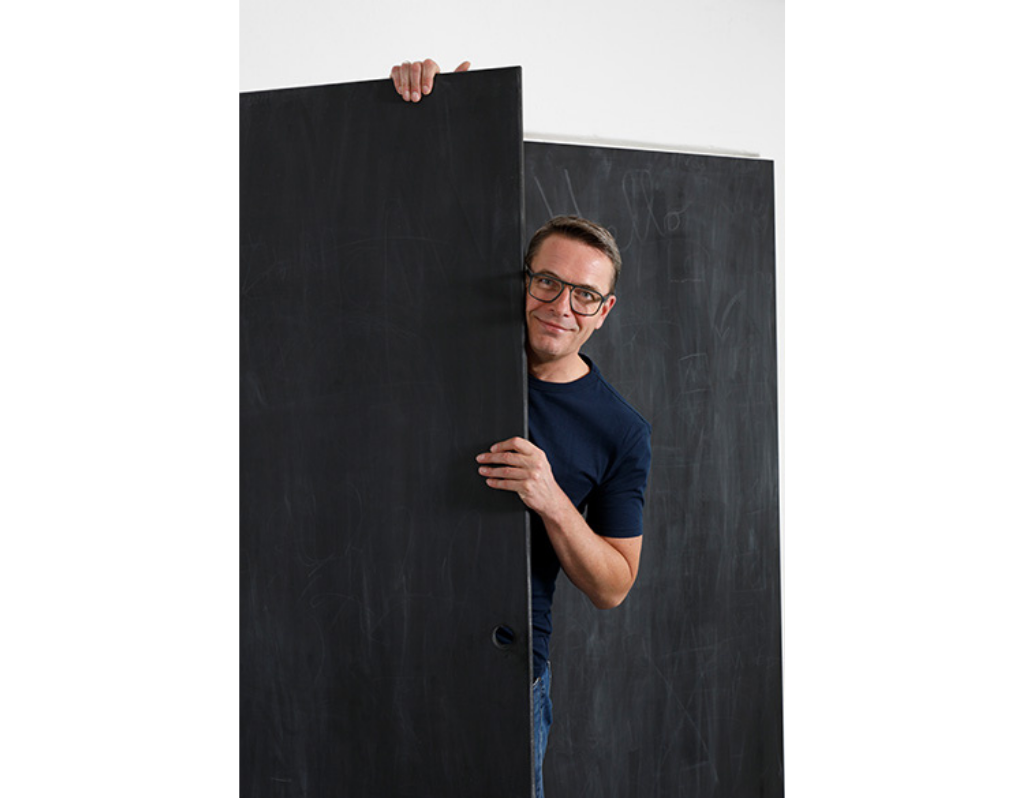
Jonathan Haidt is a professor of social psychology at New York University. He researches the psychological foundations of ethics and its manifestations in different cultures. He has published several successful books, including the New York Times bestseller 'The Righteous Mind', received numerous awards for his teaching, and demonstrates once again in this book his skill in communicating scientific findings in an understandable and engaging way.
Monika Niehaus-Osterloh, who holds a diploma in biology and a doctorate in neuro- and sensory physiology, works freelance as an author, journalist, and scientific translator (English/French). In 2021, she was awarded the Martin Wieland Translation Prize.
Jorunn Wissmann, born in 1969, initially studied veterinary medicine in Hanover before finding her way to translation through a circuitous route. Since 1996, she has translated scientific non-fiction as well as children's and young adult non-fiction from English; she also works as an editor and author. She lives with her family in the countryside in Lower Saxony.
Blurb
Three technological megatrends defined the 2000s: the iPhone, hyperviralized social media platforms, and selfie culture. The result: An entire generation of children and teenagers spent several hours a day scrolling through the posts of influencers and other young people instead of playing, talking, or making eye contact with others. Members of Generation Z thus became test subjects for growing up in an environment radically transformed by social media. What are the consequences of this experiment, and how can we address them? Jonathan Haidt explores these questions in his book. Screen children His book is for anyone who wants to understand how the fastest and most comprehensive rewiring of human relationships makes it difficult for all of us to think clearly, concentrate, care for others, and form close bonds. It is also a book about how we can reclaim a humane life for our children and for humanity.
A long overdue analysis of the influence of social media on the health of generations.
Psychology professor and New York Times -Bestseller-
The author points out a way out of the crisis.
The mental health of children and adolescents has deteriorated rapidly in recent years. Schools, clinics, and therapists are sounding the alarm. Jonathan Haidt, professor of psychology and New York Times bestselling author, points the way out of the crisis.
Related products

Incl. 19% VAT
Plus shipping costs



Incl. 19% VAT
Plus shipping costs


